Provide Top Industrial Chemicals to Customers All Over the World
Provide Top Industrial Chemicals to Customers All Over the World
1.Q:What is nitrocellulose, and how is it related to ordinary cotton?
A:Nitrocellulose(also called nitrated cellulose, guncotton, or collodion cotton) is produced by esterifying natural cellulose—usually refined cotton linters—with nitric acid, in practice a mixed acid of nitric and sulfuric acids. Chemically, nitrate ester groups are introduced onto the cellulose molecules of ordinary cotton.
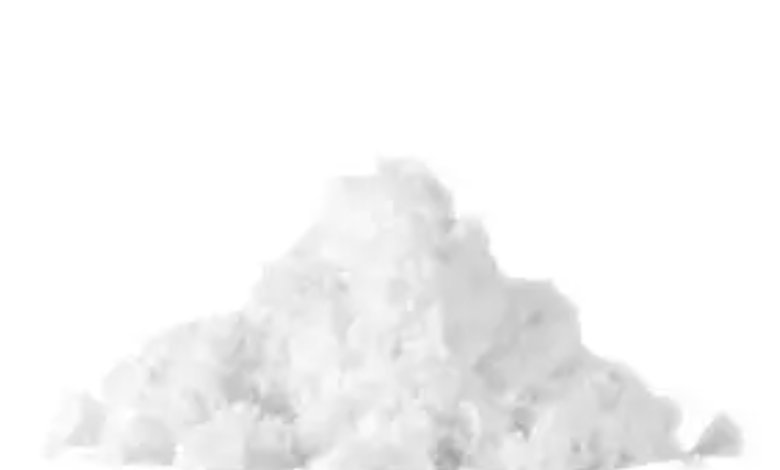
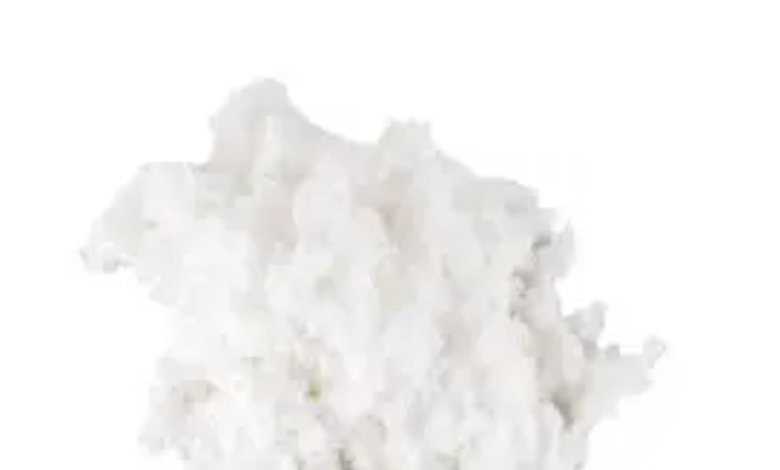
It still looks like cotton fibers or fluff—white to slightly yellow, odorless—but it is no longer soft and relatively inert like ordinary cotton. It becomes a highly flammable and sensitive energetic material. Ordinary cotton cannot be used directly for military or industrial explosive purposes; it must undergo this chemical modification to become nitrocellulose.
2. Q:Why is the nitrogen content so critical, and what uses correspond to different nitrogen contents?
A:Nitrogen content is the most important quality indicator of nitrocellulose. It directly determines solubility, stability, and hazard characteristics, and fundamentally defines its application.
Higher nitrogen content (>12.5%) is commonly called “guncotton,” extremely hazardous and ignites readily. Mainly used for smokeless powders, gun and artillery propellants, solid rocket propellants, and industrial explosives.
Grades with nitrogen content above 12.3% are basically suitable only as explosive raw materials.
3. Q:What are the main uses of nitrocellulose?
A:Nitrocellulose spans both military and civilian fields, with the core determining factor being nitrogen content.
Military applications
Manufacturing smokeless powder (propellants), solid rocket propellants, and industrial explosive is one of its earliest and most classic uses.